This is Part II of documenting a journey through reviewing and/or just buying and selling high-end audiophile speakers, amps, turntables, CD players, Dacs, Phonostages, and more. I’ve basically lost the plot here and buying audio gear has gone from an innocent hobby to an obsession. Many people have asked “is this a business, are you buying and selling to make a profit?”. It’s a fair enough question and I wish I could answer in the affirmative, as I wouldn’t have to explain my actions quite as frequently. Truth be told, Audio Resurgence is a business, it’s registered as a DBA under one of the corporations that I own, and it needs to be registered for tax purposes. Every time I buy or sell something I have to declare the transaction, so the easiest way to do this is through a corporation. But does it make a profit? Hell no. My goal when I buy something is at best to be out the cost of shipping. But mostly the hits are bigger than losing the cost of shipping.
Aerial Acoustics 7b speakers
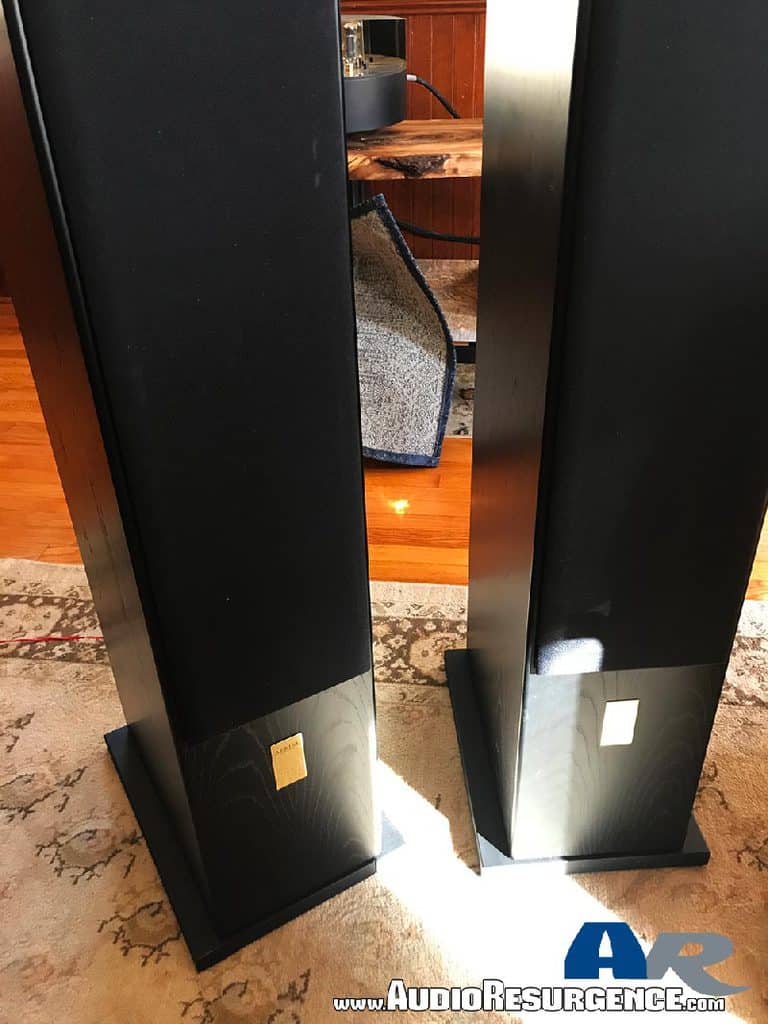
Anyway. Here we go. Below are a nice set of Aerial Acoustics 7b speakers. I bought these from Audio Advice in Raleigh, they were a discounted floor demo so I had to have them as there was no shipping involved. I bought several things from Audio Advice until they screwed me over, now I’ll never go there again, they’re dead to me 🙂
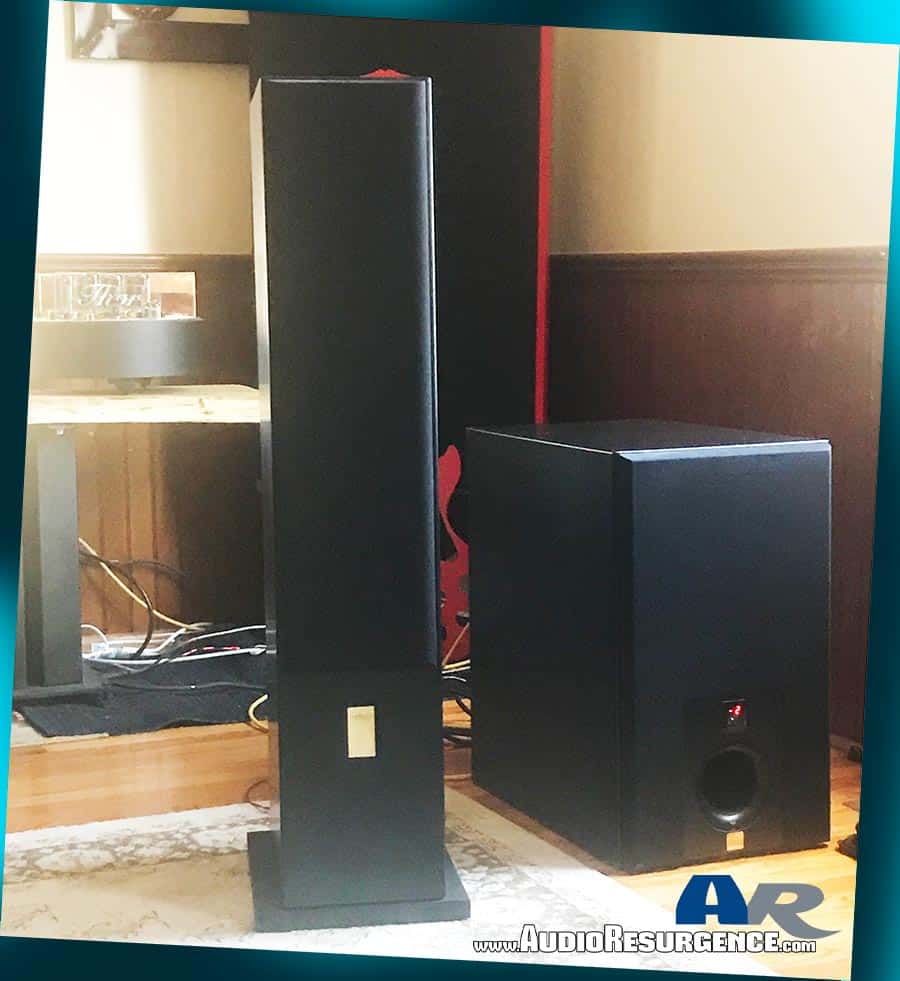
The Aerial 7b mated well with the SW-12 subwoofer and I enjoyed the 7b quite a bit.
SimAudio Moon 380D DAC | Audio Mirror Tubadour III SE | Aurender N100H media server and streamer
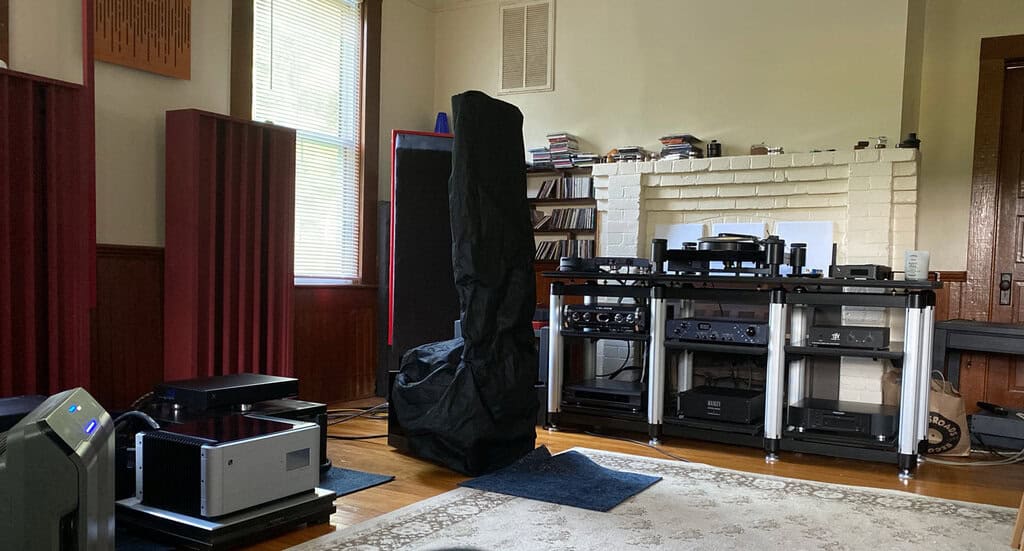
For almost 3 years I would regularly switch back to the Dunlavy SC-III. I just noticed a couple of items on the rack that I’d forgotten about owning – there’s a SimAudio Moon DAC, the 380D. This was a fantastic sounding DAC! I used it up against a review I did of the Audio Mirror Tubadour III SE, which is a nice ladder DAC with a sweet sound, but ultimately I preferred the sound of the Moon 380D. Also on the rack next to the SimAudio Moon DAC is an Aurender N100H media server and streamer. The N100H was a pretty good unit, it was my first venture into file-servers and streaming services and was later replaced by a Lumin U1 Mini which was later replaced by another Aurender, the Aurender N10 that I still have in a closet somewhere and would like to sell as it’s not being used.
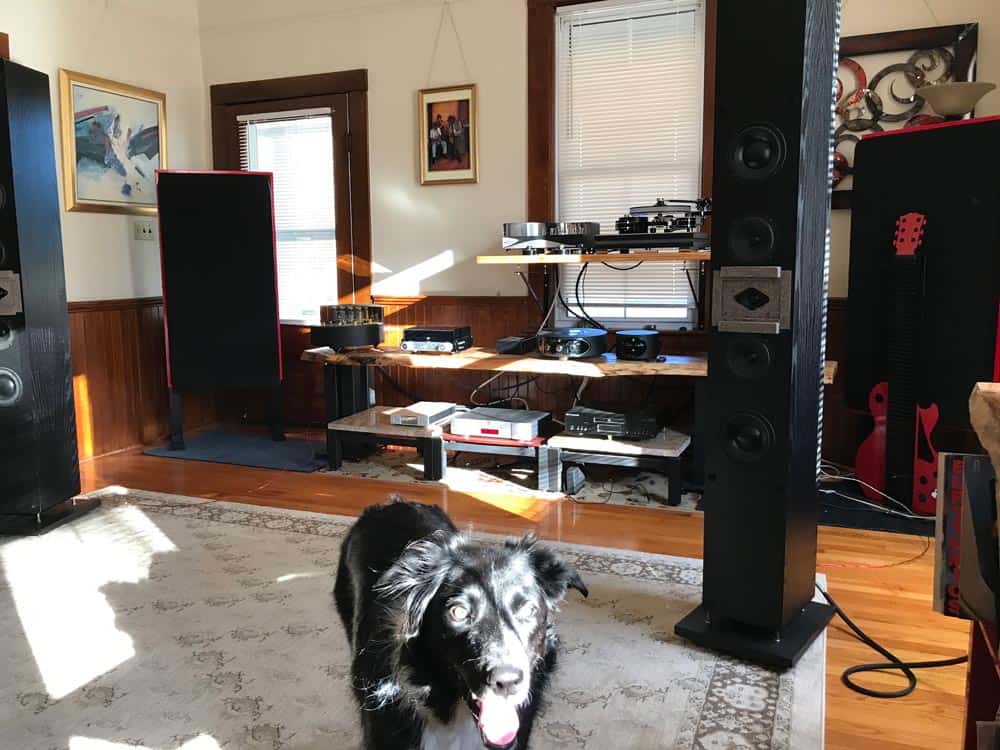
I’d forgotten until seeing this photo that I’d kept the Music Hall MMF-11 long beyond buying the new Origin Live turntable, you can see it on the rack off to the right of the room.
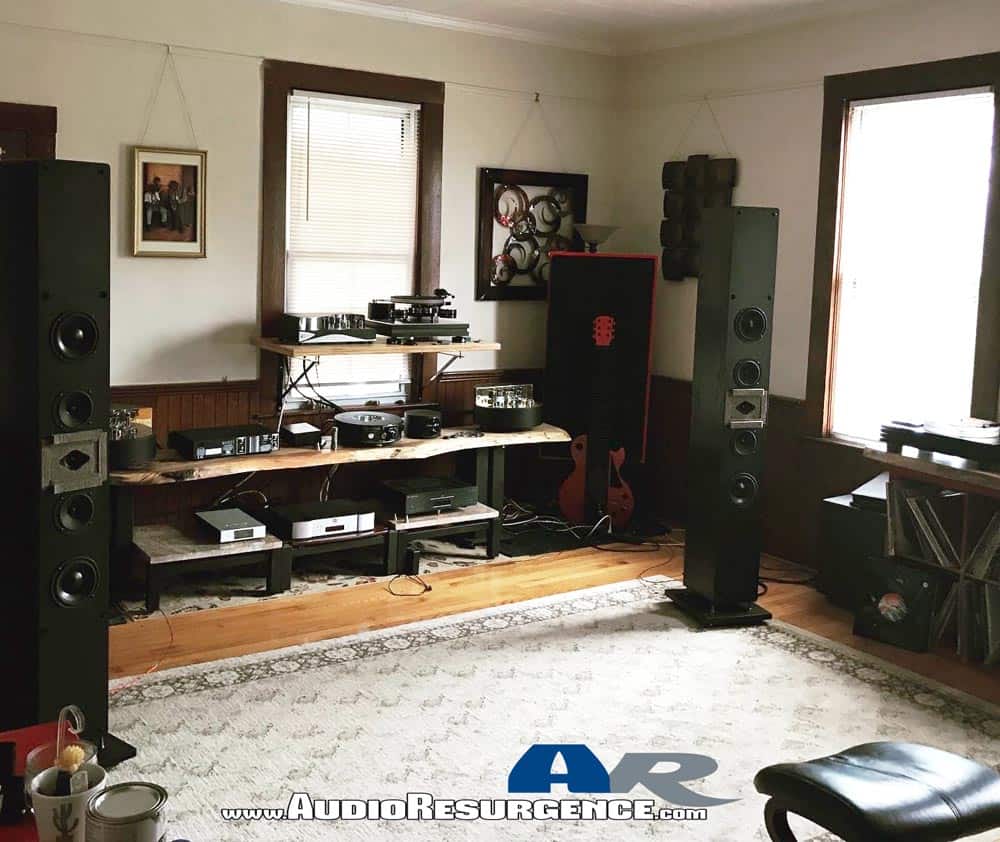
And here’s another shot of the Allnic Audio H-1202 that I still have and still use whenever I’ve a second turntable in the house.
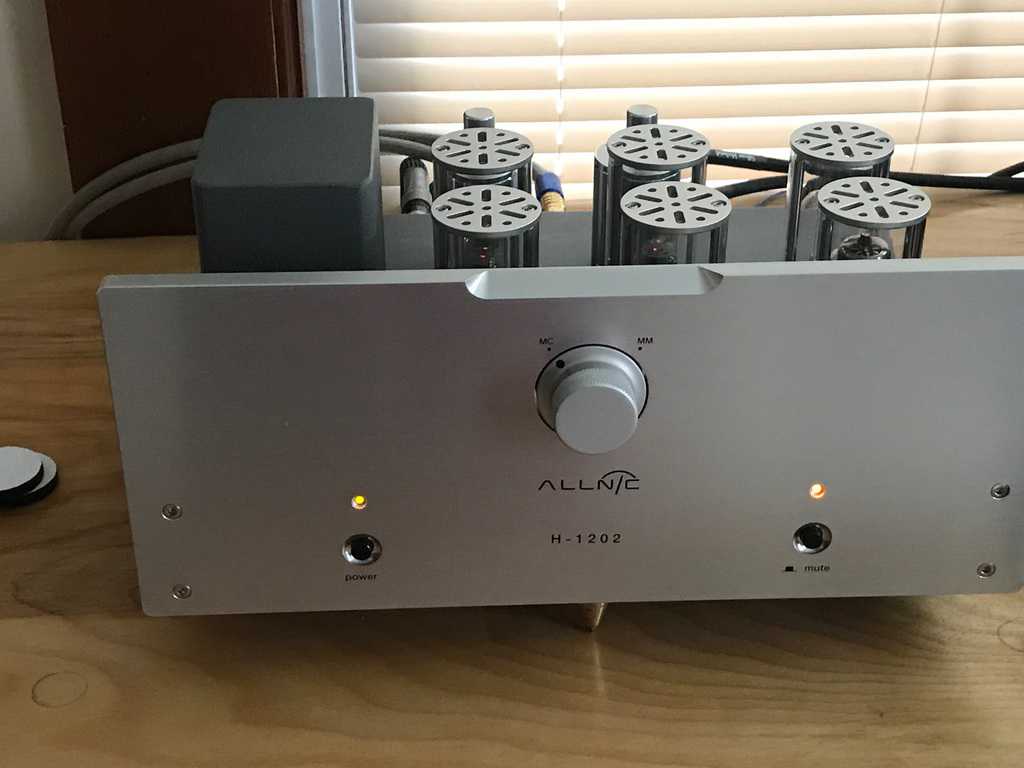
iFi Audio iPhone3 Black Label phono
Here’s the iFi Audio iPhone3 Black Label phono. This is one of the rare occasions when someone sent me an item to review, usually I try and avoid that because the process tends to pre-load me with a bias towards the unit and I don’t like to have that bias present when I’m reviewing gear. I’m human and when someone is nice to you and sends you free stuff to play with it makes it hard for me to say “that effing sucked”, so I prefer my way of doing things which is costly but only at my expense!
Anyhow, the iFi iPhono3 Black Label was and is fantastic. It sounds incredible and the differences between it and far more expensive phonostages is so small that it’s almost insane to pay the difference. But of course we do it anyway. Here’s my feeble review of the iFi iPhono3 Black Label.
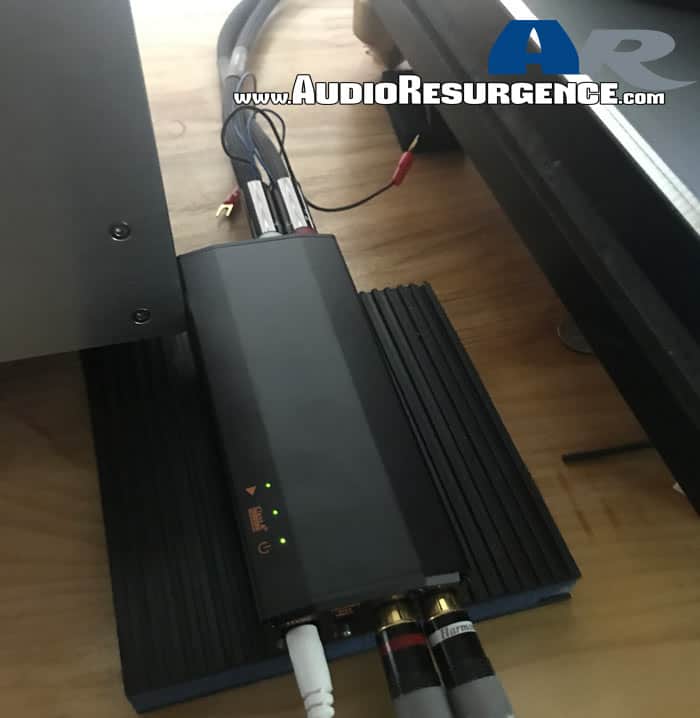
Sonus Faber Cremona Auditor M
So I’m a fan of Sonus Faber speakers, ever since owning the early Sonus Faber Electa many years ago. Some bloke broke into my house and relieved me of the Electa’s whilst I was overseas on business, so I always wanted to replace them. I really would like to buy a pair of Sonus Faber Extrema’s, but for the time being the little Cremona Auditor M would need to do in their stead. The Cremona Auditor M are beautiful to behold but a little too beautiful to listen to. I found them very pleasant but a little lacking in transparency. I’m not sure they fit here chronologically, but here they are nevertheless:
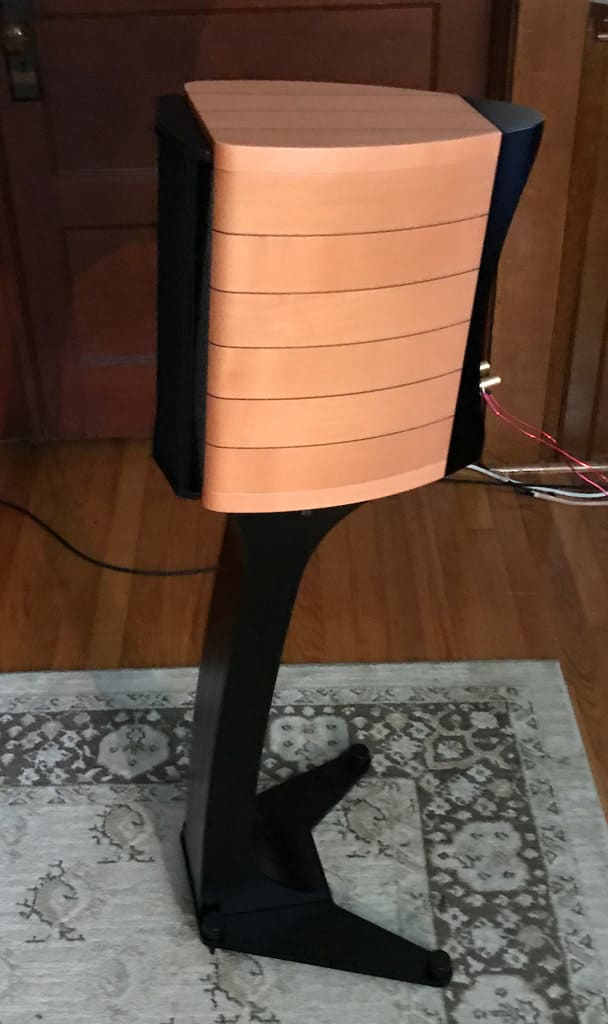
Castle Harlech Speakers
Somewhere along the way I picked up a pair of Castle Harlech S1, pictured below. I loved the Castle Harlechs, if nothing else just for their Britishness. They do have that classic British sound of old, transparent, a little lean, a little bass-shy, but still very musical in a nice kind of way. I was stupid to sell these for a mere $400 to some guy on Craigslist who drove four hours to get here from DC. What a bargain, what a speaker. I miss these.
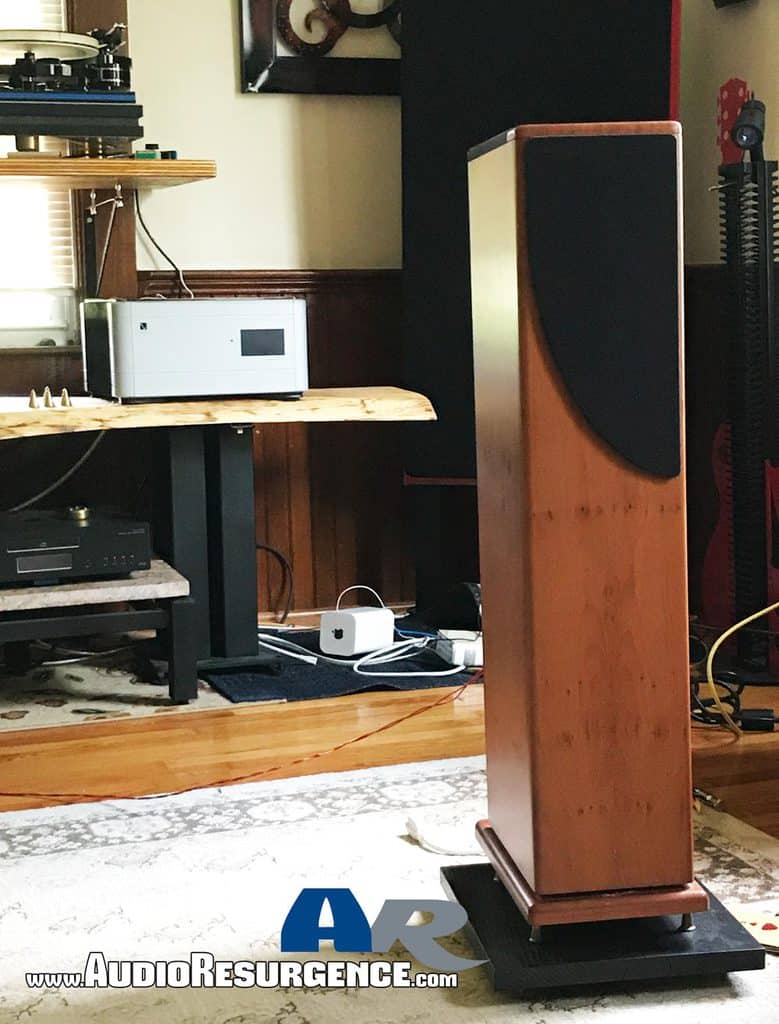
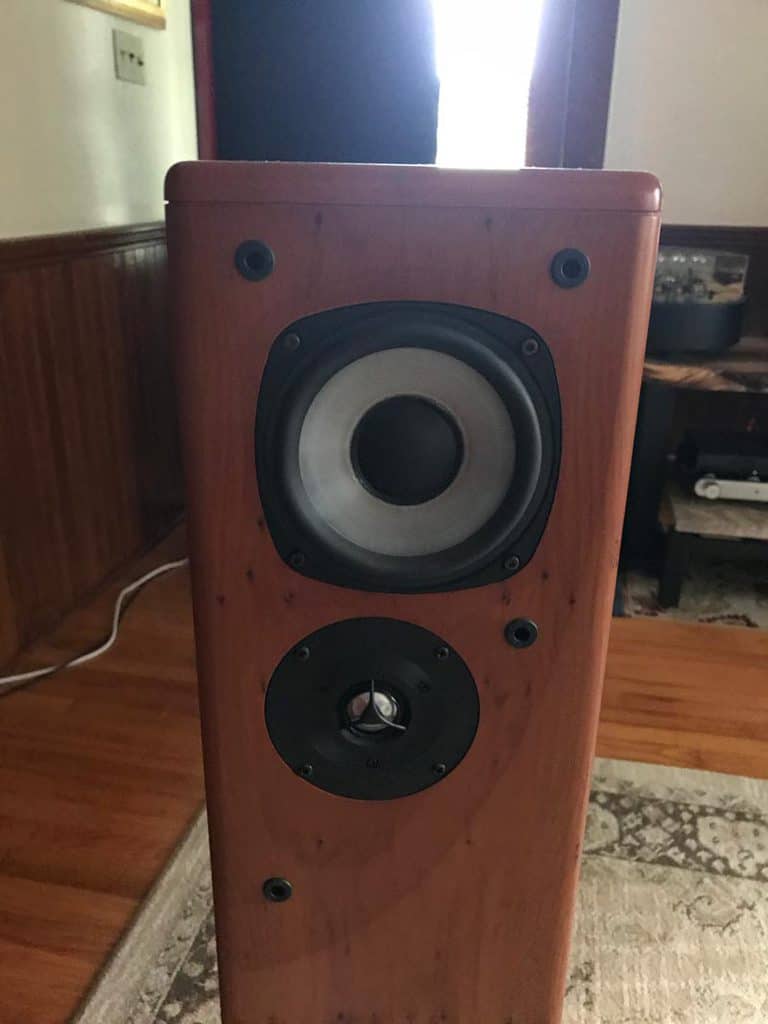
PS Audio P10 Regenerator
I started out with PS Audio power regenerators around 15 years ago, with the P600. Since then I’ve owned two P10s (still do) and a PS Audio DirectStream Powerplant P12.
I can’t say I’ve done a lot of A/B comparisons with different gear plugged into the P10 versus plugged directly into the wall, but on the occasion where I’ve had to go straight to the wall outlet I’ve generally found there’s something not quite the same with how it sounds (whatever it is), so I always try to use the P10 where practical. Presently, I’ve one for amp duty and another P10 handling source components.
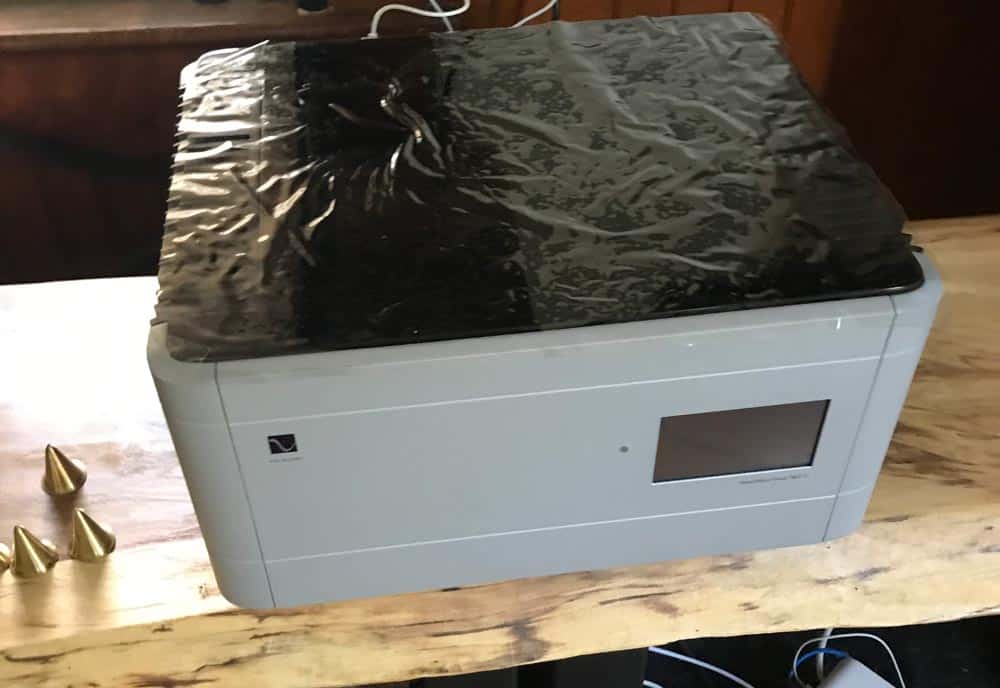
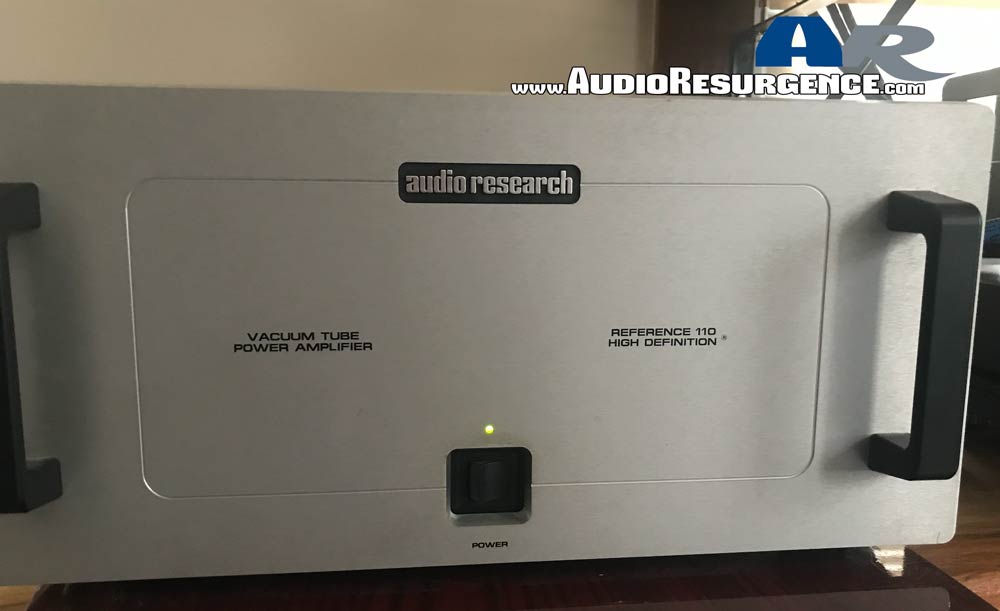
Audio Research Corp. Reference 110
Ahh… the big ARC Ref110. I bought the Audio Research Corp. Reference 110 from Audio Advice in Raleigh. They’d elevated it to ‘SE’ status by implementing the KT150 upgrade, and it came to me with low hour tubes, though the counter hadn’t been reset so who knows for sure. I liked the sound of the big REF110 a lot, and would’ve kept it here other than for its physical size, weight, and the heat it gave off.
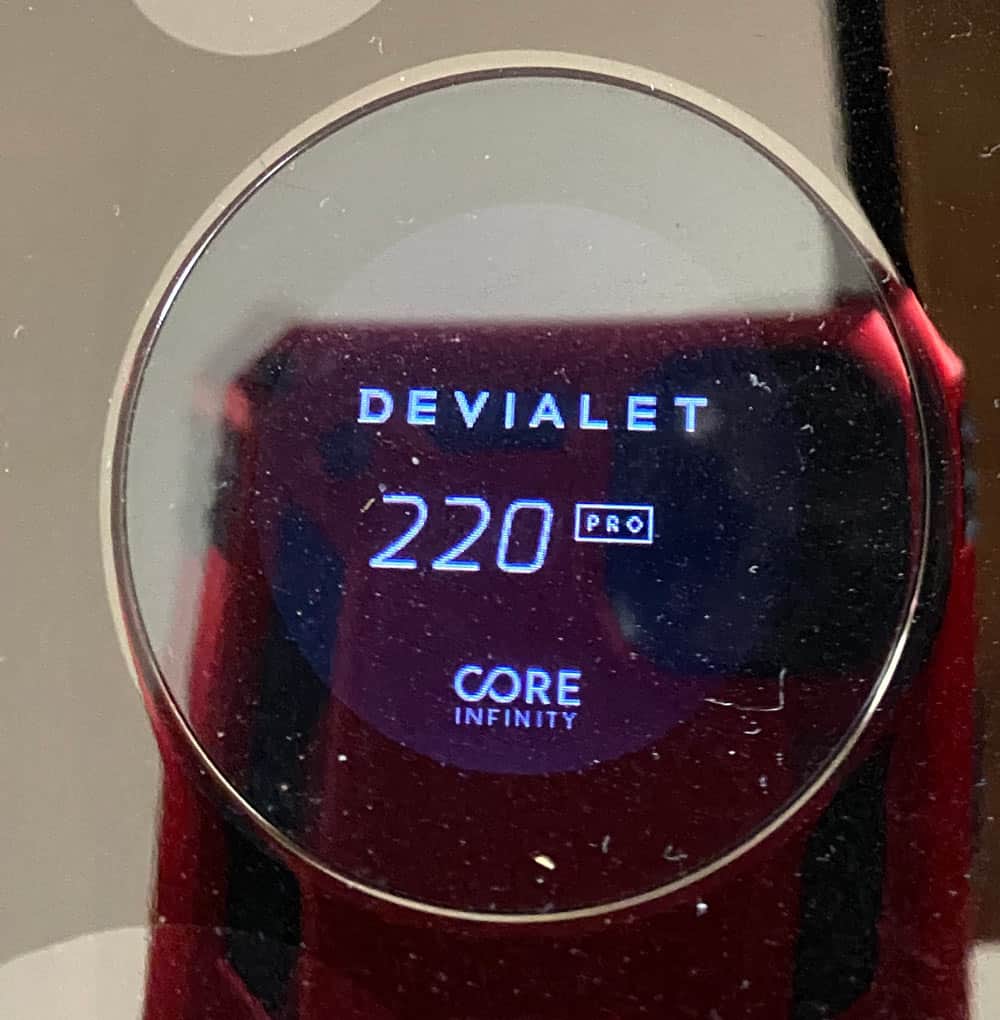
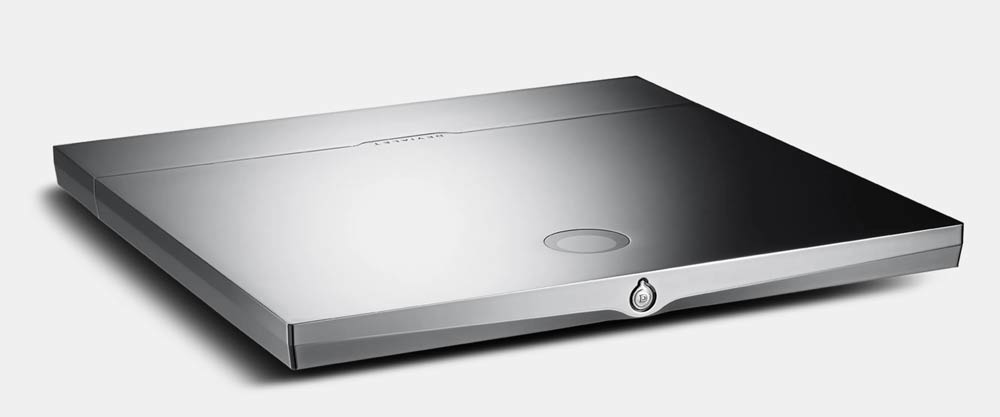
Devialet 220 Pro CI
Along came a Devialet 220 Pro CI. This was a product that excited me more than any other at the time. It’s basically an integrated amp that serves as a DAC and a programmable phonostage. It includes something called ‘SAM’, I can’t remember what the acronym means but basically Devialet have a database of speakers they’ve measured and created mappings for to improve the amp/speaker interface. I you have one of the speakers in their database you can download its mapping into the Devialet 220 Pro CI and you’re off to the races with better sound. I didn’t have a compatible speaker but my plan was to acquire one for testing purposes 😉 That never happened because I couldn’t get passed how ‘weird’ the Devialet sounded. I wrote a not so very complimentary review of the Devialet 220 Pro CI here.
I got a bit of earache for the above review over on the Devialet owners’ forum when someone stumbled upon it. Thankfully no one tried to sue me.
Along came a Steelhead:
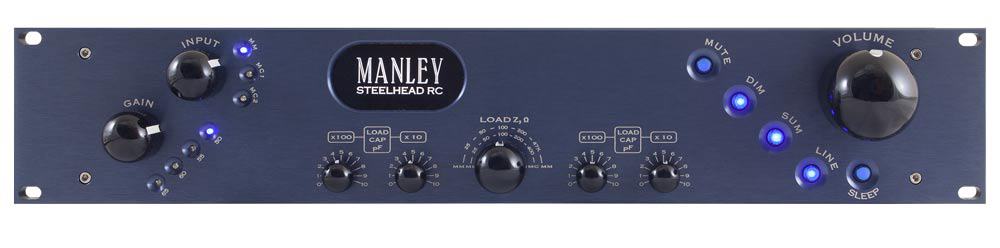
Manley Steelhead
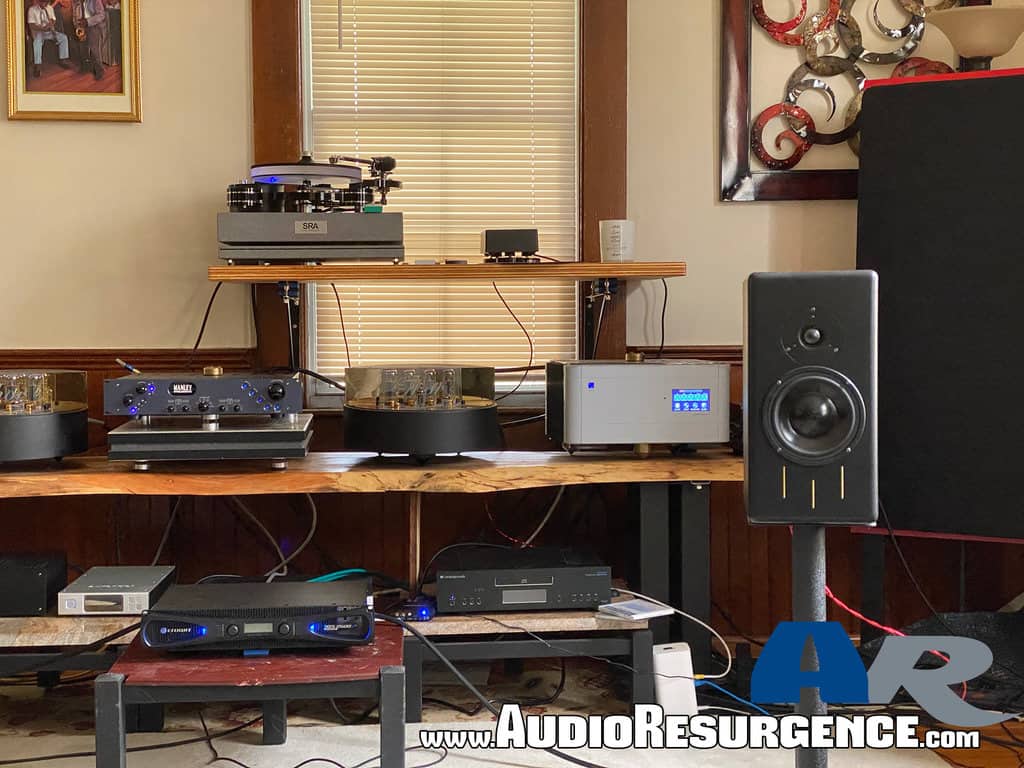
I still have the Manley Steelhead, it’s been one of the few components I’ve owned for multiple years! Oddly, I’ve never gotten around to writing a review of the Steelhead, so you’ll have to make do with this: It’s a great phonostage and doubles quite competently as a single input linestage with a RF remote. Yes, an RF remote. You can be sitting in the throne room and you’re able to adjust the volume from a block away. Assuming you remembered to bring the remote with you. I suppose nowadays an app would be better.
The Steelhead is very versatile with different gain and loading options placed conveniently on the front panel. (Why would anyone put load switches and such things on the rear of a unit?) I think the Steelhead is a very good sounding phono. I don’t have a lot of experience rolling phonostages, so I can’t say it’s better than this or worse than that, suffice to say that I’ve owned it for about 4 years and there’s a reason for that. Here’s the system with the Steelhead:
Conrad Johnson ET250S
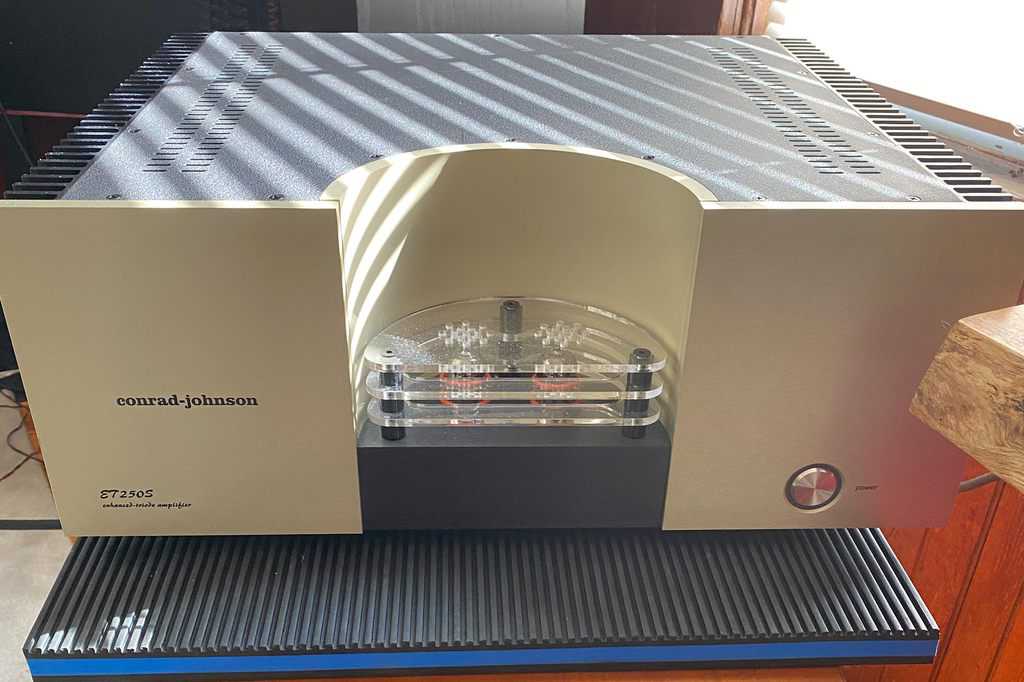
So I’d been predominantly tube powered for a while and I fancied a detour into solid state without losing too much of the tube virtue, so I plumped for a hybrid amp – enter the Conrad Johnson ET250S. A Class AB amp with I believe a pair of 6922s on the input. This was a very good sounding amp and drove the Dunlavy SC-III speakers very well. I paired it with a CJ Preamp, shown in the next photo down.
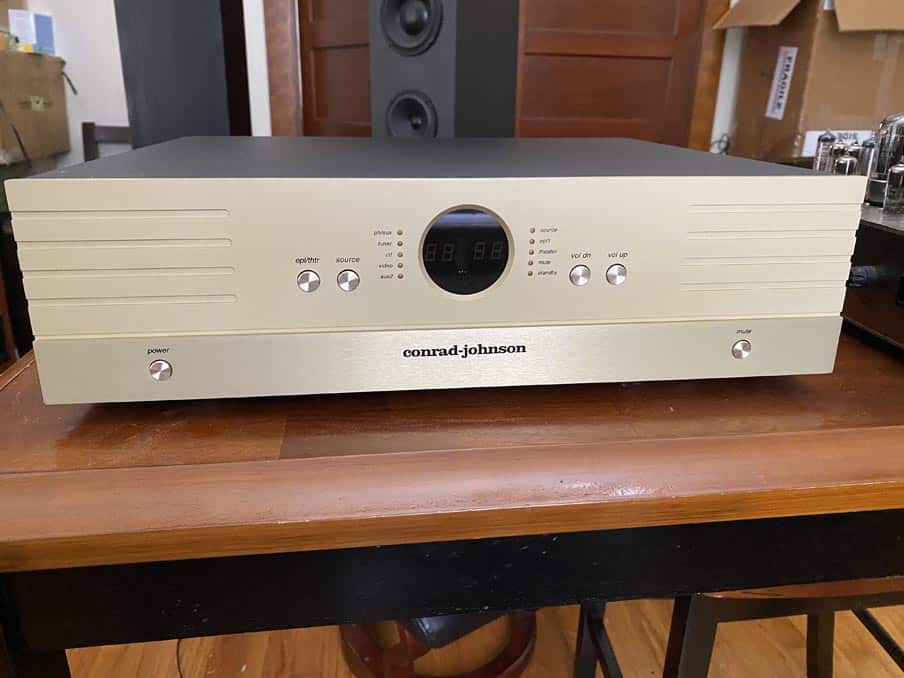
I feel bad about my time spent with the Conrad Johnson gear. There was really no logical reason to part company with any of it – the CJ Evo 2000, The ET5, CT7, ET250S etc. Heck, I can’t even remember what I owned and what the model designations were, but I remember it all sounding quite splendid and was left scratching my head after I sold it.
Emotive Audio Sira LE
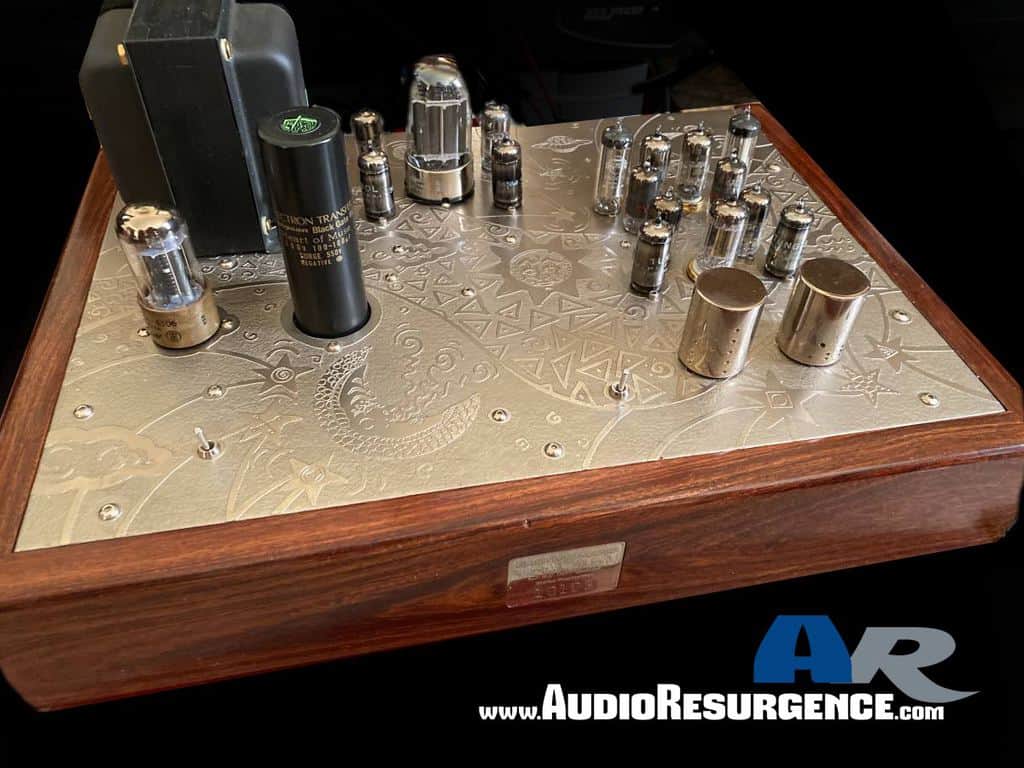
So here’s a little gem of a linestage that I waffled about here – Emotive Audio Sira LE
This is one of the nicest linestages I’ve had the pleasure of owning – such a wonderful tone and remarkably dynamic! I haven’t seen an Emotive Audio Sira LE on the used markets since I foolishly parted company with mine, they’re as rare as that rocking horse stuff, at least the LE version is.
The Sira-LEs uses the 5687 twin-triode voltage amplifier and the super linear 6186 cathode follower tubes. As with the Sira, the Sira-LE is an all vacuum tube design including vacuum tubes for the power supply’s rectification, voltage regulation and high impedance current sources. Each unit’s top plate is individually designed, acid etched, and signed and there are no repeated designs. Incredible. If you see an LE for sale, tell me about it please. Of course the main failing of the Sira is its lack of remote control.
I was smitten with the Sira and regretted selling it. I justified the sale on the grounds of it not having a remote, and I really needed a remote as I’m fat and lazy. So it made no sense for me to become infatuated with the Emotive Audio Epifania which came up for sale a few months after selling the SiraLE, as it also did not have a remote. But I bought it anyway.
Enter the Emotive Audio Epifania in all its grandness –
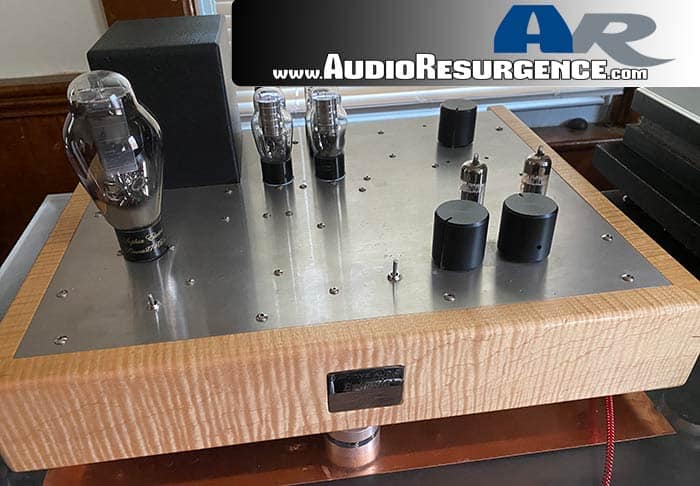
Emotive Audio Epifania is basically a Sira LE on steroids
The Emotive Audio Epifania is basically a Sira LE on steroids. It has the same sonic signature but just does a little more of everything. It sparkles on the top end like no other linestage I’ve heard and uncovers that last nth degree of detail in the music that you didn’t know was there until you heard it through the Epfania. It’s the most transparent preamp I’ve owned, it literally has no sound of its own, it just steps aside and lets you listen through to the recording room. Again, I struggled with it due to its lack of remote. Had I been mostly digital at that time I think I would’ve kept the Epifania and used the digital volume on the dCS unit that I use, but alas, at that time I was mostly listening to vinyl and one has to have a remote.
Aerial Acoustics SW-12
Here’s an Aerial Acoustics SW-12. I bought three of these subs from a local gentleman and they each stopped working in rapid succession. In each case the plate amp went down and Aerial Acoustics quoted me north of $800 per plate amp to get it fixed (with shipping). I wasn’t about to pay $2400, so I pulled the plate amps, sealed up any cracks, then drove the subs as passive units using a Crown XLS2502 to handle one pair. I also used a miniDSP 2x4HD to do some EQ and used the REW software for room measurements. Bass has been the bane of my life in this room, it’s square proportions have made bass control nigh on impossible, but I got pretty close to nailing it with the two passive SW-12s and a pair of active HSU subs.
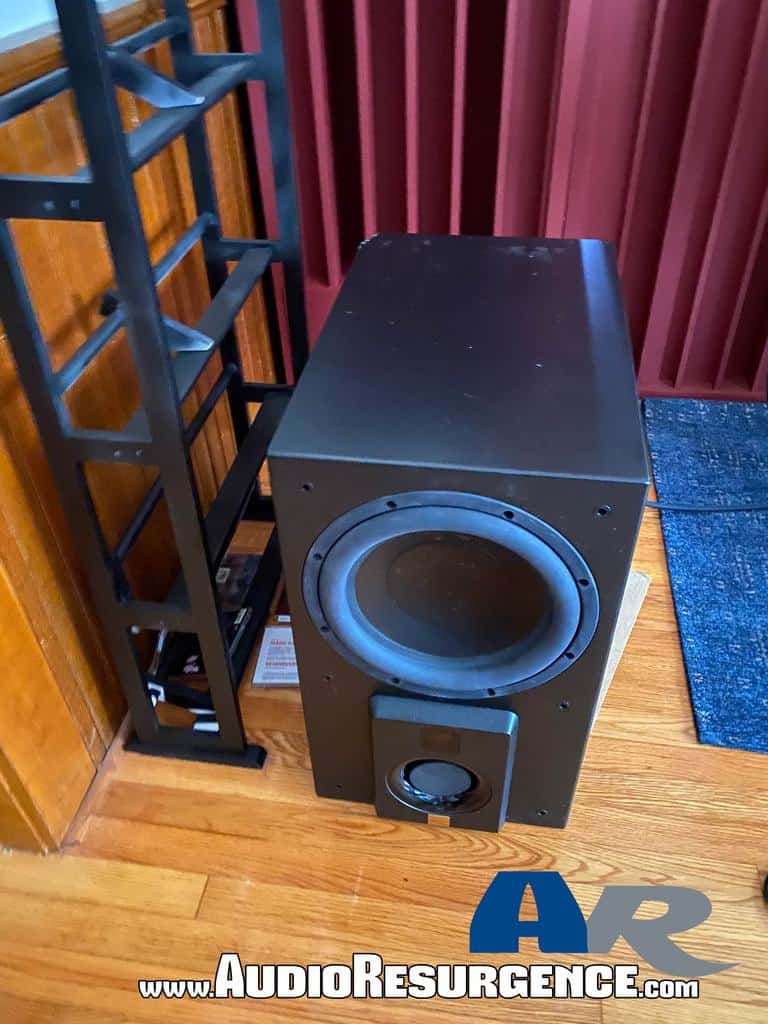
QRD panels and Acoustic Treatments
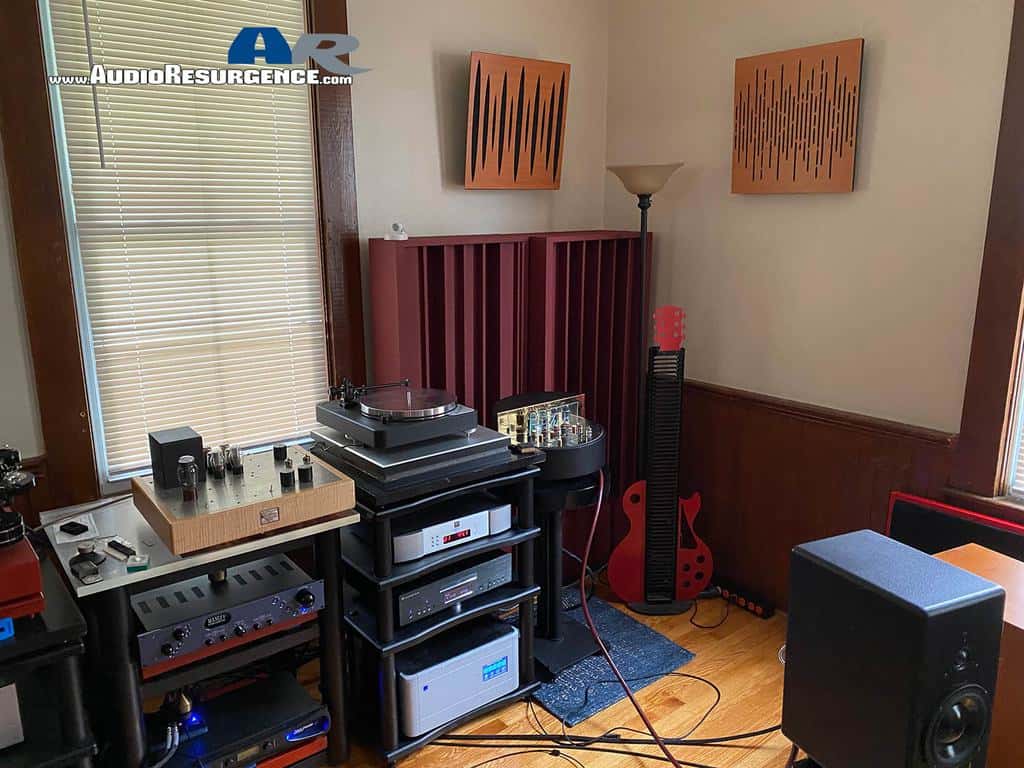
So in the next photo you’ll see more effort to improve room acoustics, with the wall panels and also the purple QRD units in the corners. In this system iteration I’m running with the Merlin TSM BME speakers on Target R1 lead-filled stands, there are two turntables – the Origin Live Resolution MKIV and a Dr. Feickert Volare, both hooked into the Manley Steelhead, Thor TPA-60 monoblocks hooked up with Cardas cabling to the Merlin speakers, the linestage is the Emotive Audio Epifania, there’s the SimAudio Moon 380D DAC and the Crown XLS2502 handling sub duties with the big Aerial SW-12 pair.
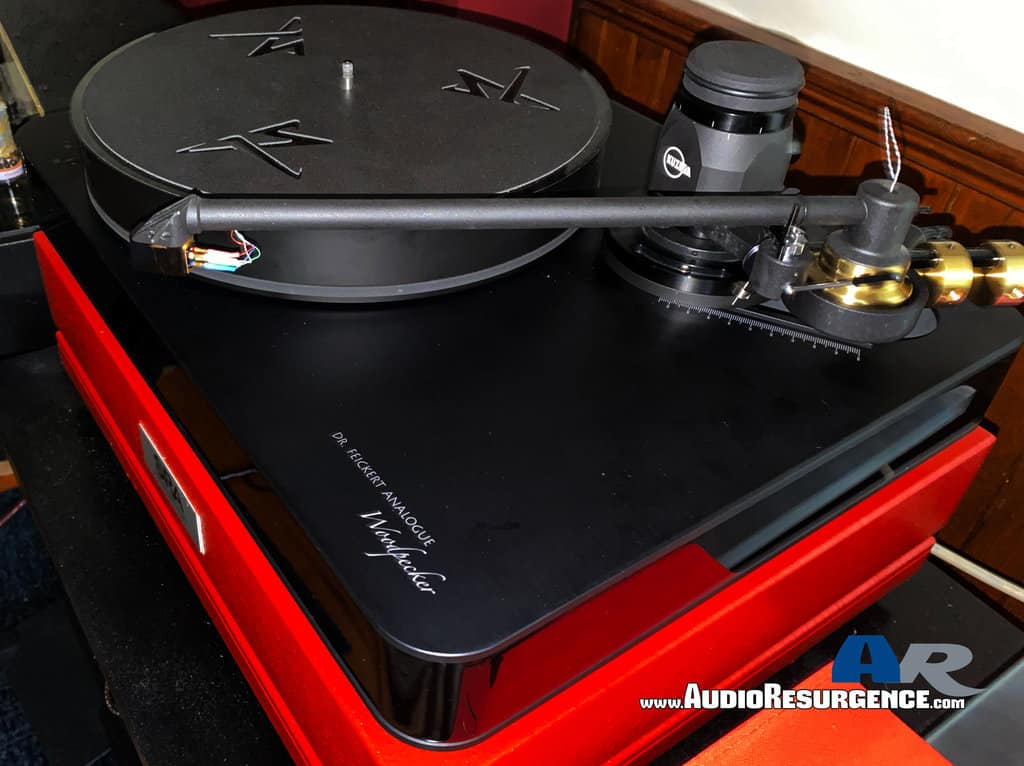
Dr. Feickert Woodpecker with Kuzma 12VTA arm
A little after the above photo was taken I decided to sell one of the two turntables. I couldn’t decide which one to keep, the Origin Live or the Feickert Volare, so I listed both on the same day with the plan to keep which ever one didn’t sell. I received offers on both tables within a few hours of each other so I sold them both and bought a Dr. Feickert Woodpecker with Kuzma 12VTA arm.
I liked the Dr. Feickert side of the table and arm package, but the Kuzma arm…. not so much. I’ve a medical condition that causes a hand tremor and I’m not comfortable using the Uni-pivot designed arms. I’ve used them in the past and it’s worked okay, so I thought I’d handle the Kuzma okay, but I didn’t. Regardless of Essential Tremors, the arm’s a pain to work with, a pain to set up, a pain to change cartridges, and a pain to use, for someone like me.
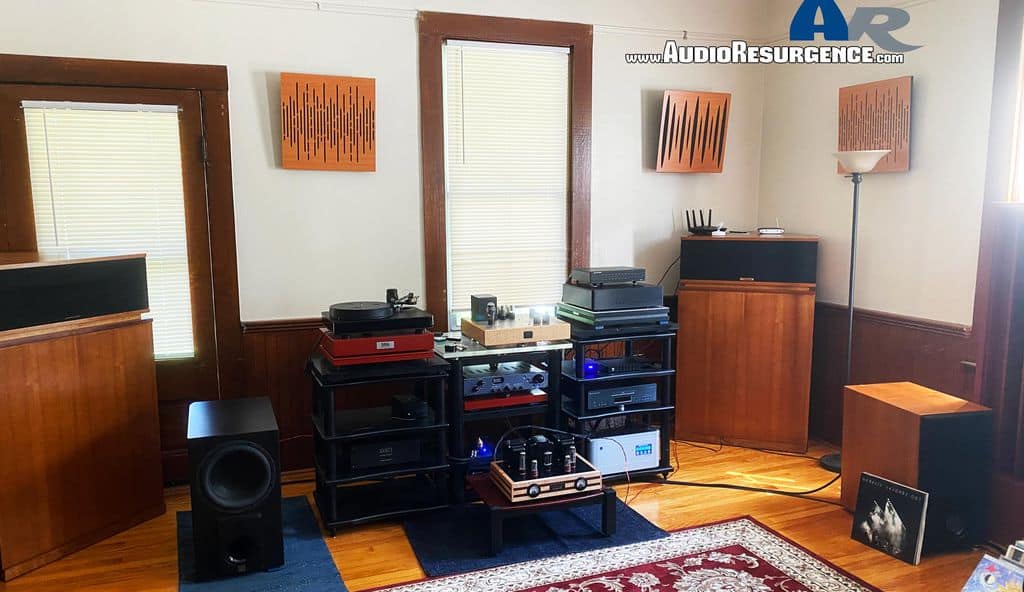
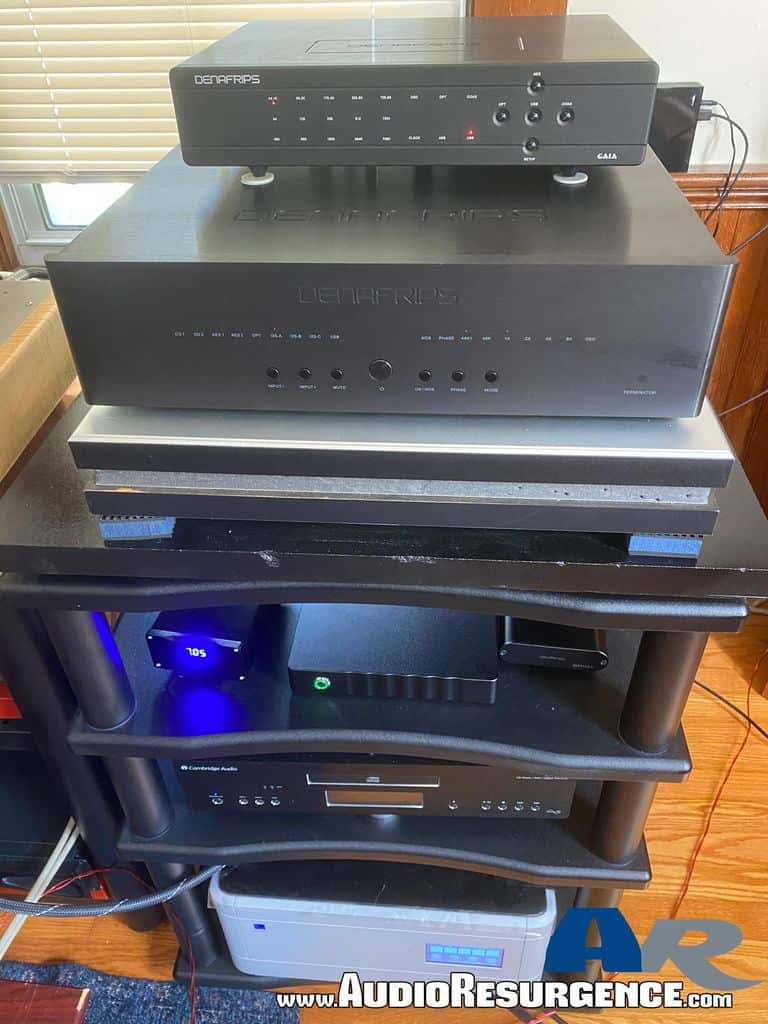
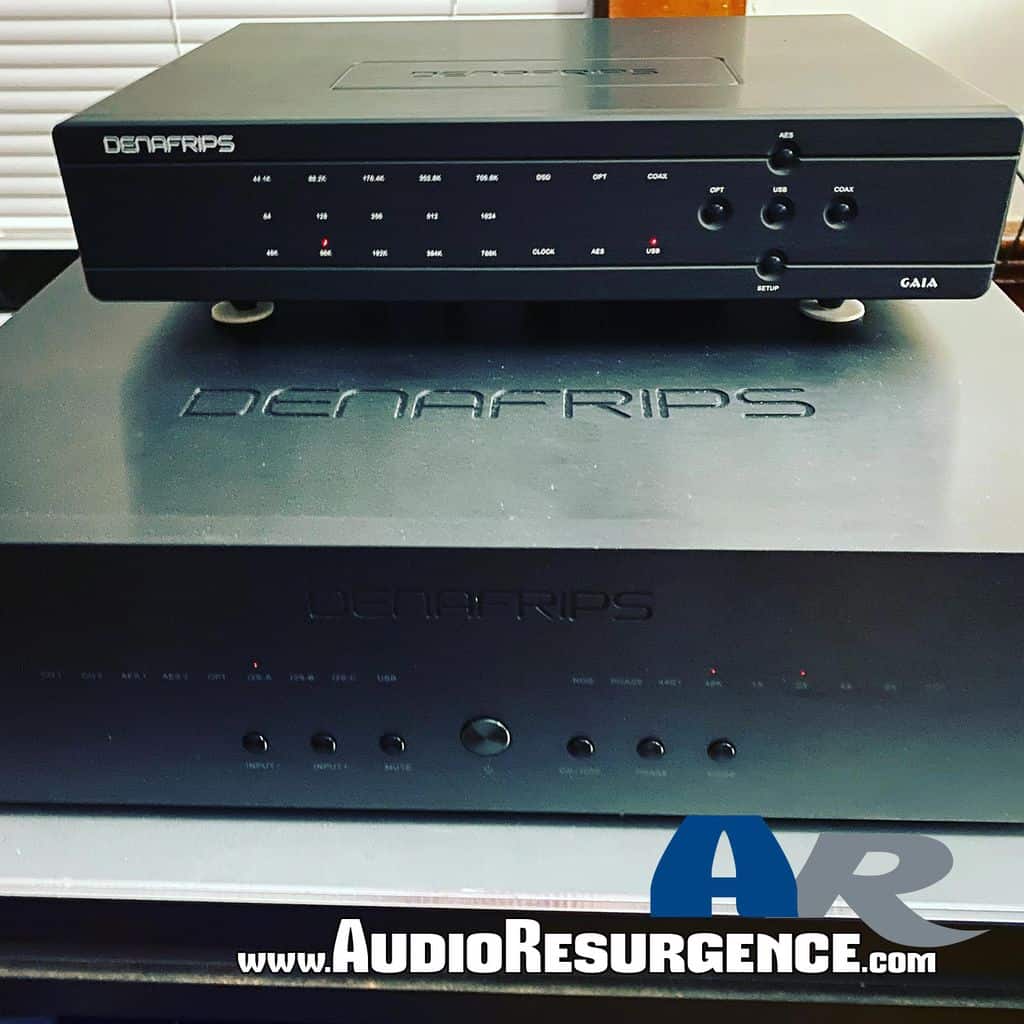
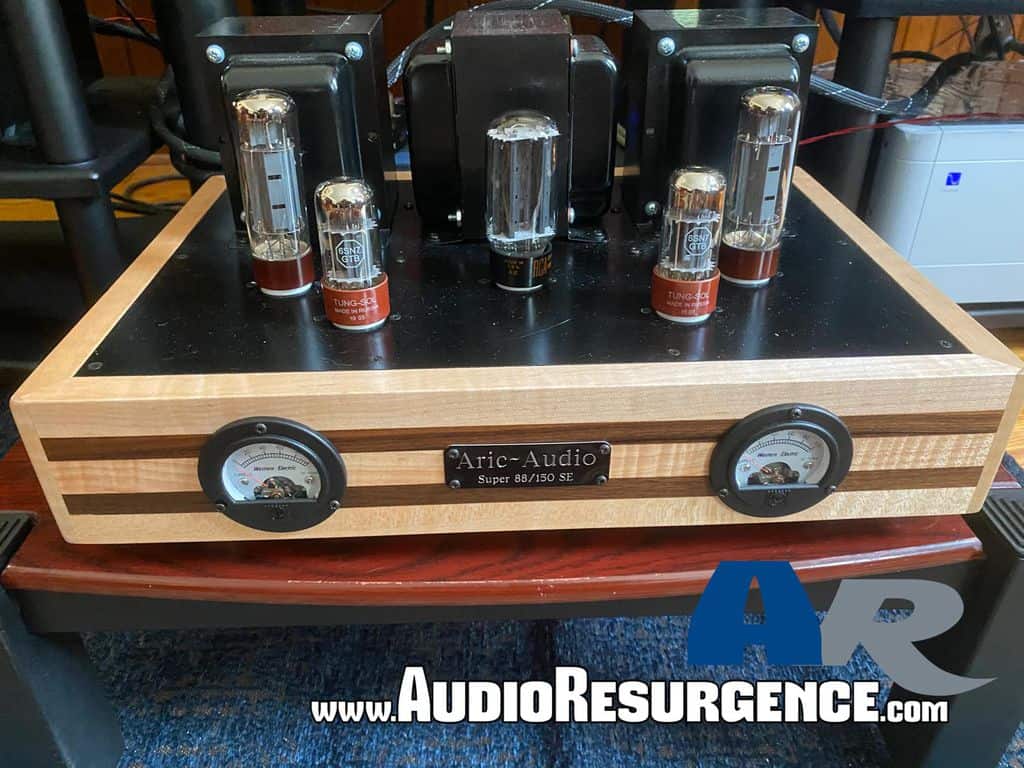
Because I was on a roll selling things that I cherished, I sold my much-loved Thor Monoblock amps to a gentleman in Norway, and also my precious Merlin TSM Black Magic Edition speakers. I then went way down the horn rabbit hole with a pair of Klipsch Klipschorns, picking up a little Aric Audio 2A3 amp to provide the handful of watts needed to get them to boogey. Oh, the eagle-eyed among you might spot a digital change – incoming the Denafrips Terminator DAC with GAIA DDC, outgoing the Moon Audio 380D.
And this is how it looked for a little while….
Part III – Vintage VOTTs and More – Click Here
Discover more from Audio Resurgence - High End Audio Reviews and Products
Subscribe to get the latest posts sent to your email.